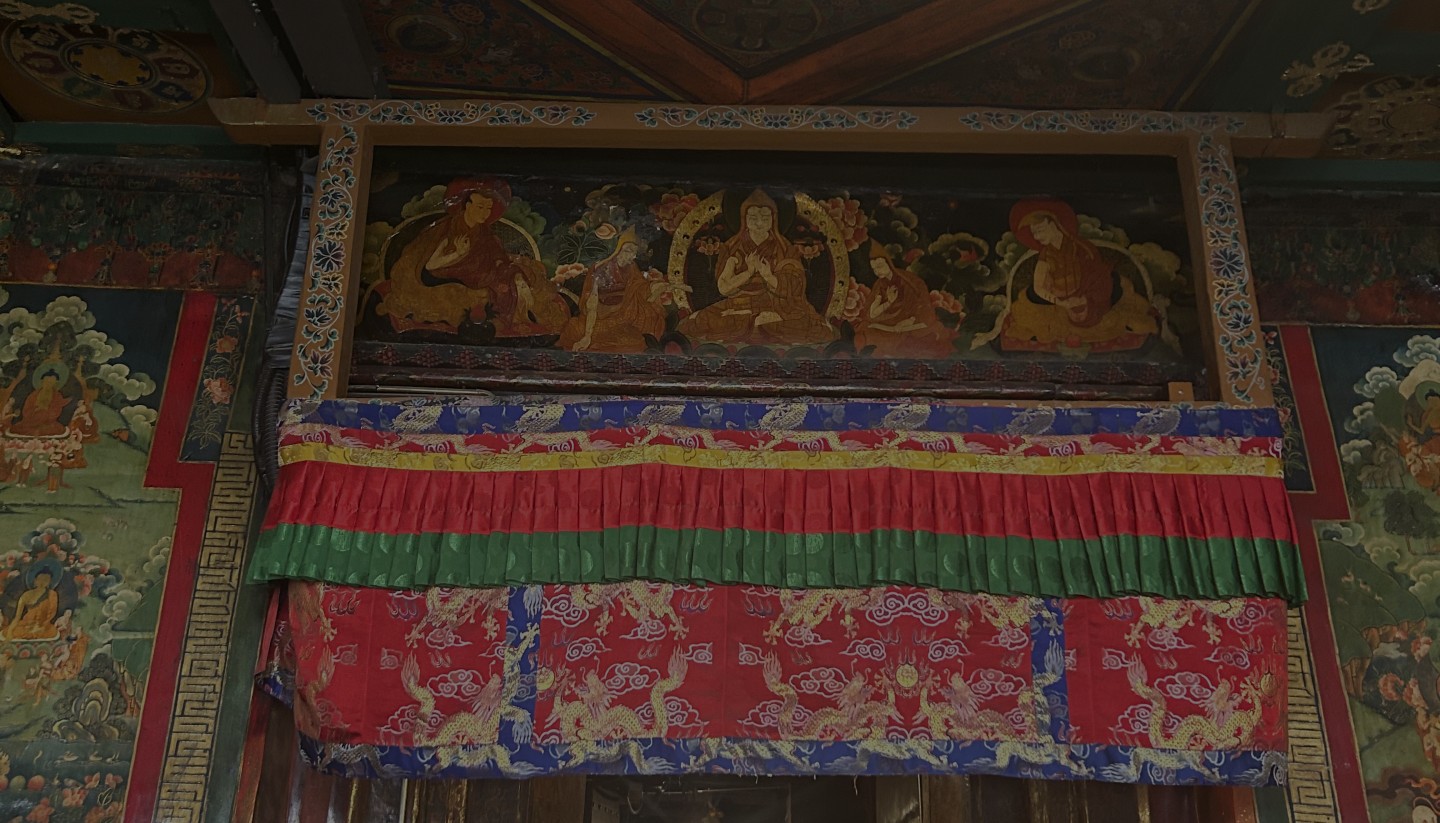
OBSERVATION, HABITS & DOCUMENTATION
FIELD NOTES
Aba, Sichuan · Interviews · Everyday Life
What can contradictions reveal when fieldwork does not point to one clear answer?
THE STARTING POINT
Between Observation
and Experience
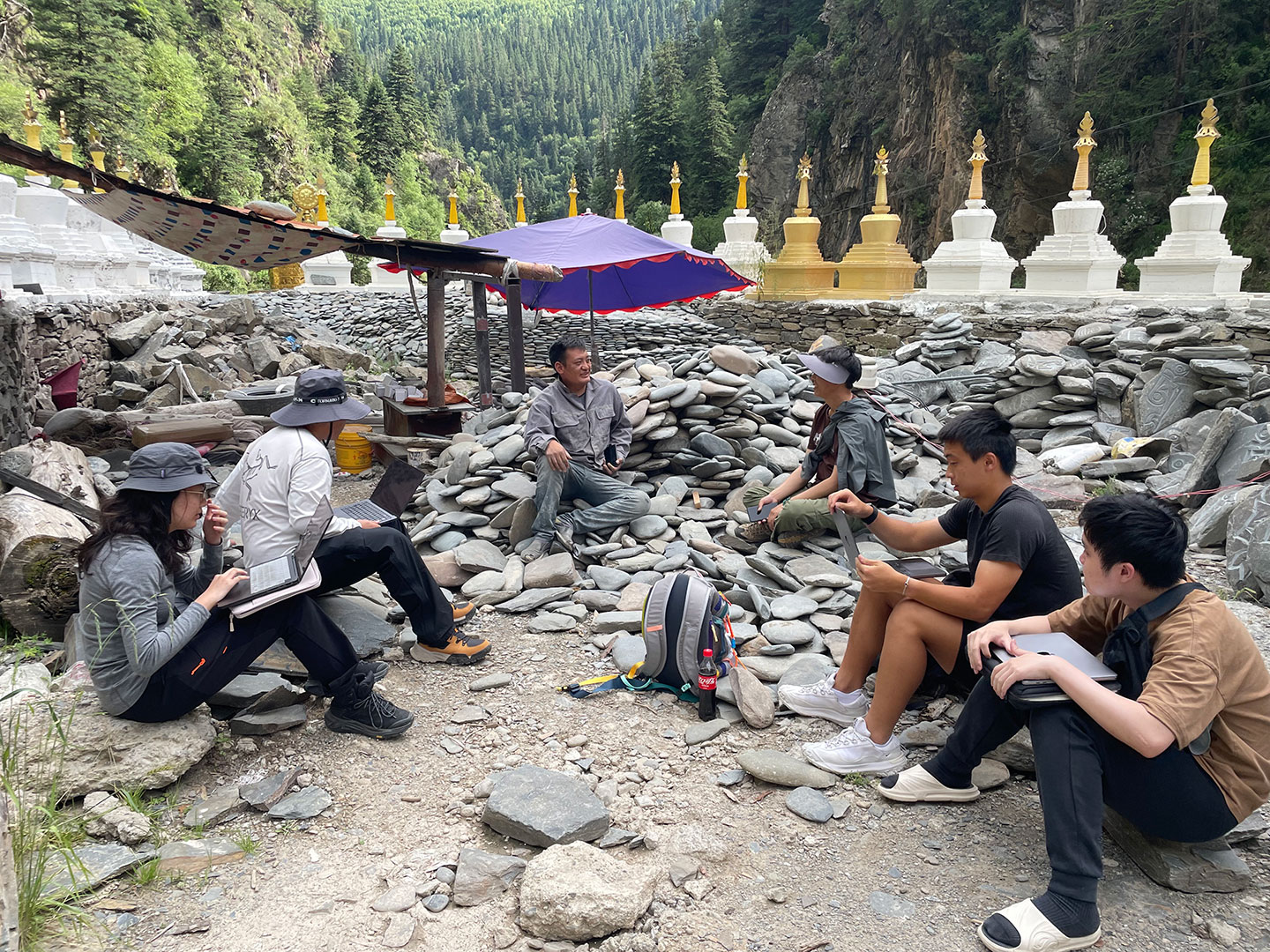
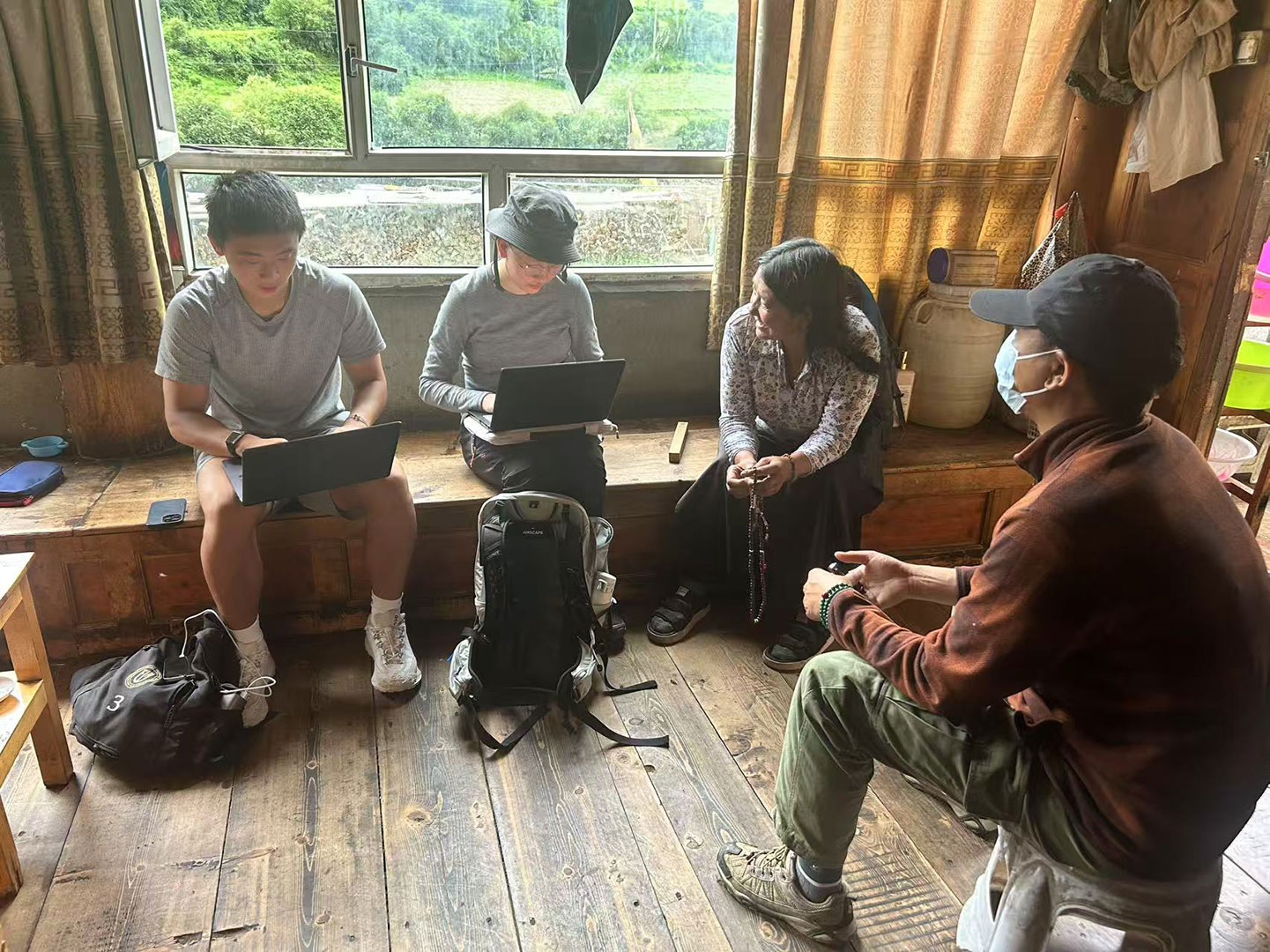
My interviews in Aba did not produce one tidy story. Some
residents described seeing more snacks enter village life,
while a shopkeeper told me that snack sales had recently
fallen.
I began by asking whose habits were changing, and
over what period of time. Meal photographs and visits to local
shops gave me other ways to compare what I observed with what
people told me. I am learning that fieldwork does not always
resolve contradictions; sometimes, the disagreement itself is
worth documenting.
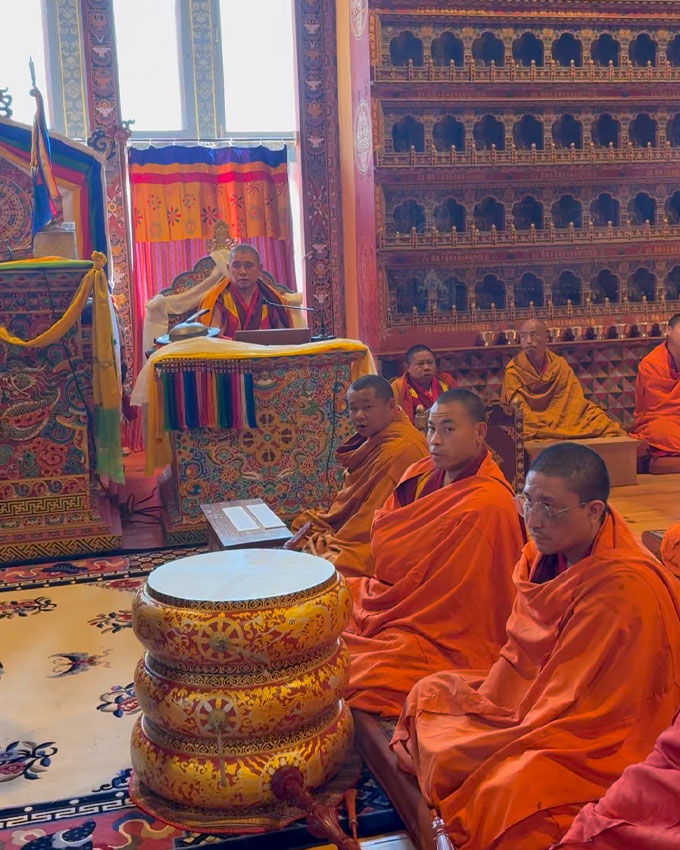
01 · THIMPHU, BHUTAN · 2024
Red rice, every day
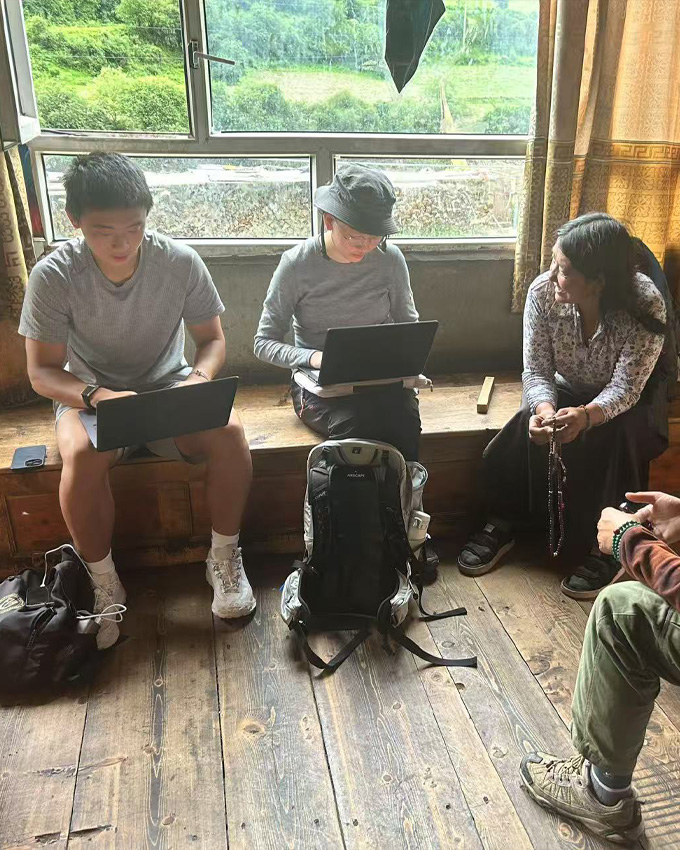
As a believer in Tibetan Buddhism, I found it surreal to enter a country that shares my religion. I asked Karjun, a taxi driver in Thimphu, what a normal day of eating looks like. “I eat a lot of local red rice, corn, Indian rice, and other grains. Those are what I eat every day.”
02 · THIMPHU, BHUTAN · 2024
A month without meat
Renzen Amo sells at Thimphu’s largest food market. She told me she had quit eating meat for a month, because of her diabetes and because of her religion. Seeing how religion shapes food choices made me think about tradition versus health: how do we make the right choice?
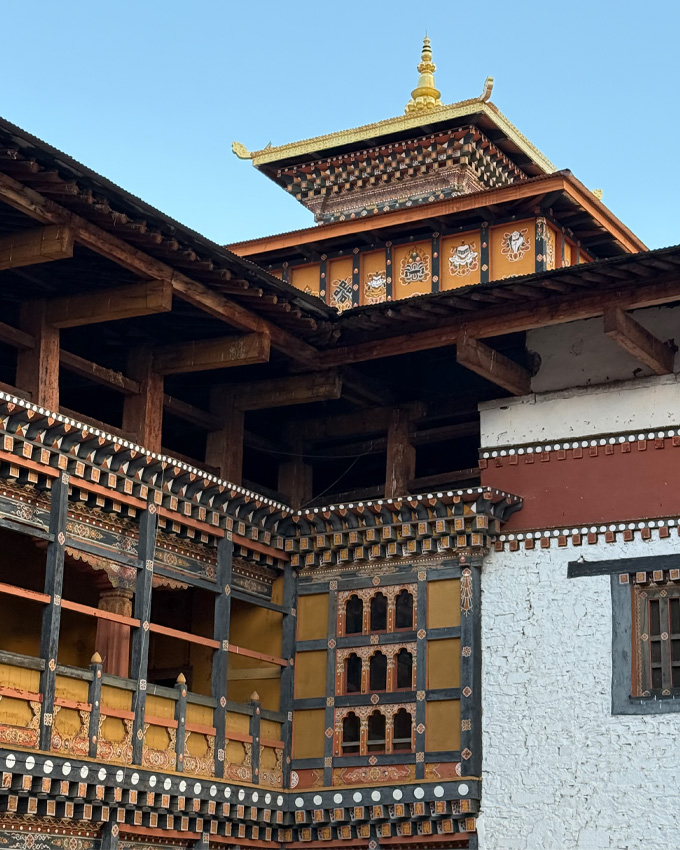
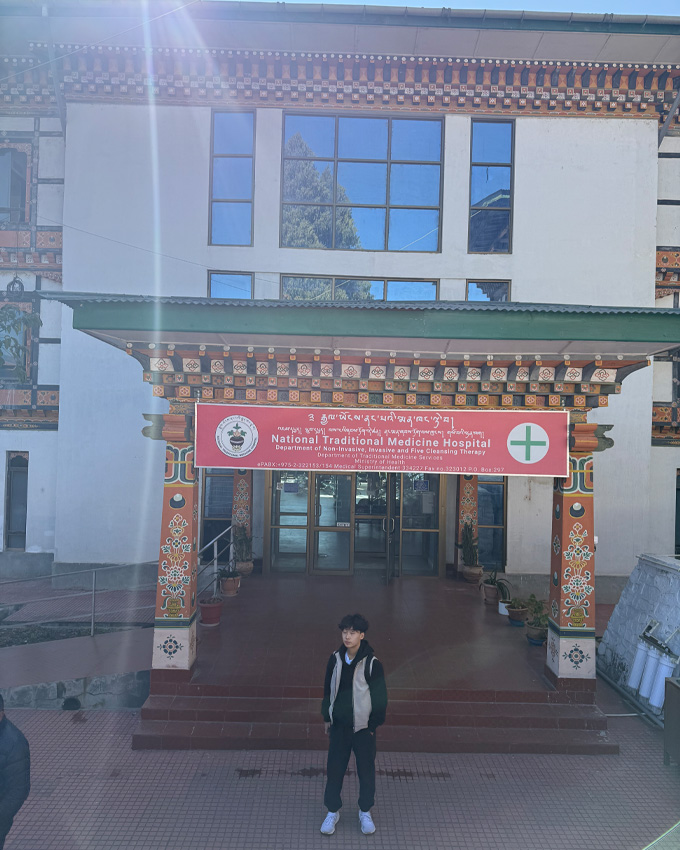
03 · THIMPHU, BHUTAN · 2024
Two hours to the hospital
Stinmaro, a patient, told me that when Bhutan’s hospitals can’t treat an illness, the government sends patients to neighboring countries. “Of course, everything was covered by the government, including food and shelter.” Stinmaro also said, “It took me approximately two hours to get to the hospital from my home today.” I was impressed by the free care, but concerned about rural access.
04 · KEHE, ABA · 2025
Helping, not harming
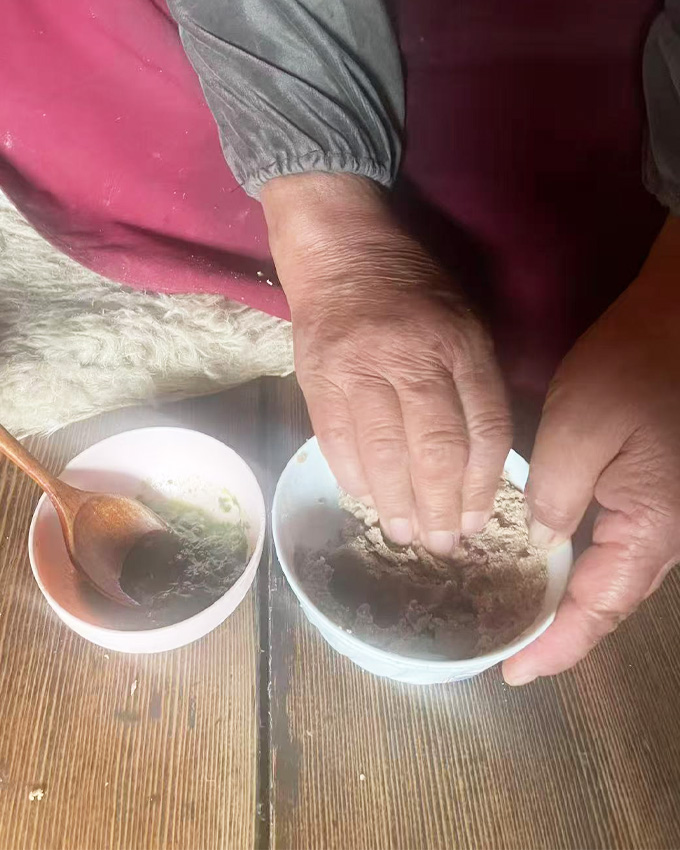
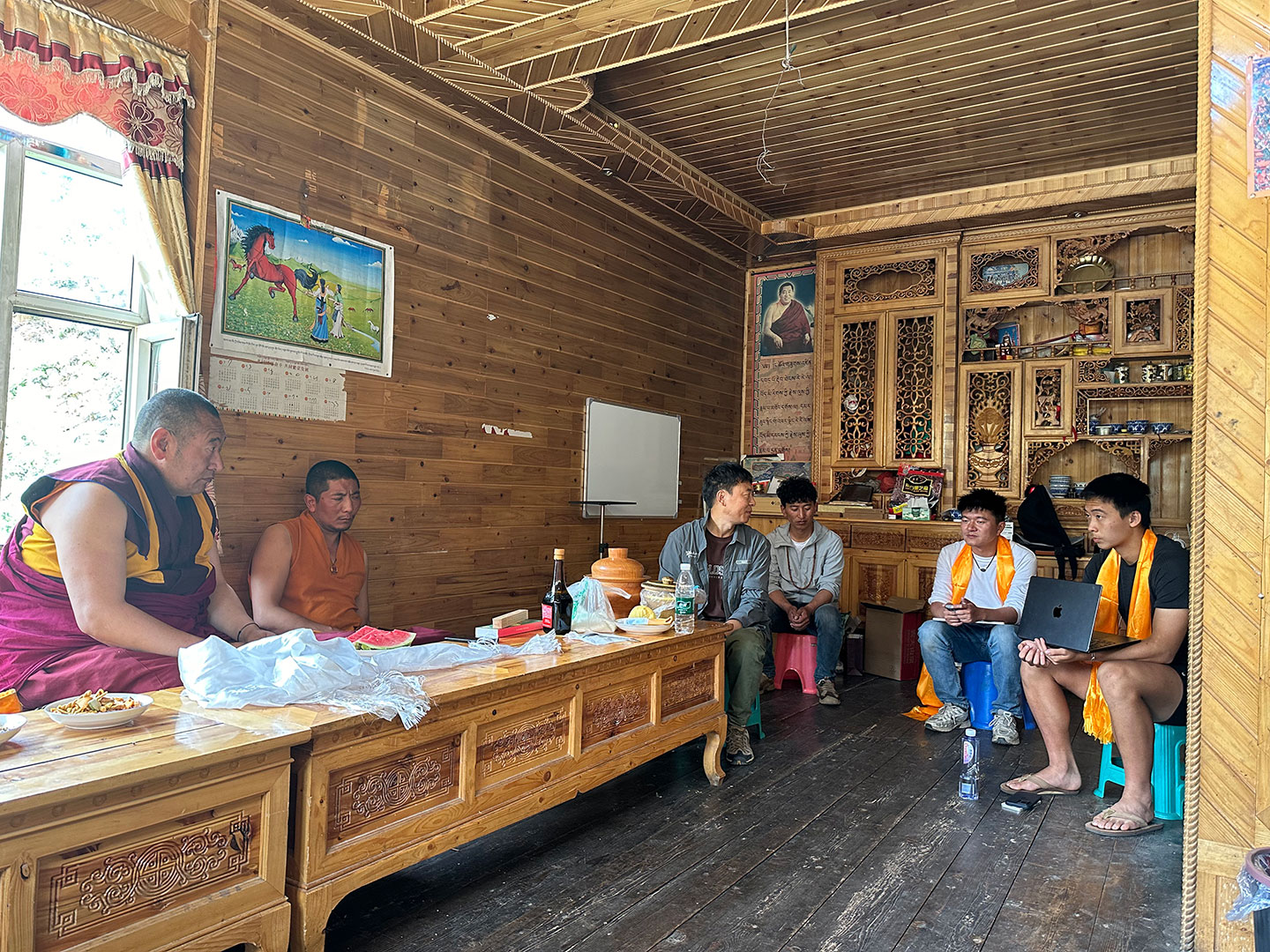
A middle-aged villager in Kehe stopped eating meat in 2018. Part of it was religion, and part was fear that harming animals would damage the environment. He explained the religious part through bodhicitta: “The key is cultivating bodhicitta. If you eat meat, you can’t reach its core, because bodhicitta means helping others, not harming them.” He told me he is much happier without meat.
05 · KEHE, ABA · 2025
It tastes great now
Another villager listed what had changed: more instant noodles and snacks, and more food bought from outside instead of raised at home. It used to be that if you bought a Coke, you brought the bottle home and kept things in it. “Before, anything you saw, you could eat,” he said. “Now it tastes great, but our stomachs are full of sickness.”
06 · KEHE, ABA · 2025
Too much meat at school
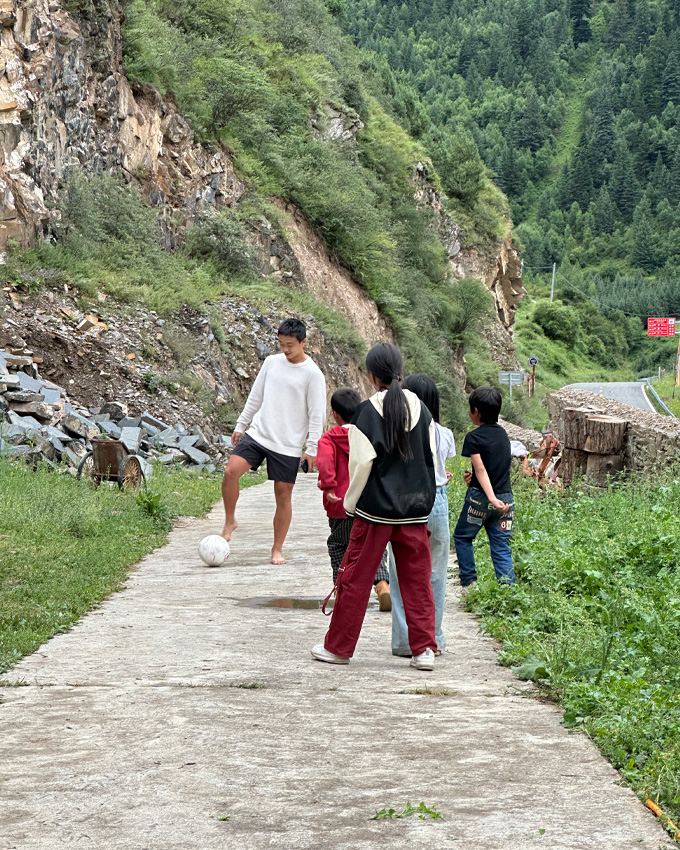
A 15-year-old girl told me her school of 3,000 students serves meat every day and no tsampa. She doesn’t like meat and would rather eat her mom’s cooking, “because there’s too much meat at school.” Some days she goes home to pick mushrooms and dig fritillaria bulbs. She digs until around the 20th, then goes back to school while her parents keep digging.
07 · LHASA, TIBET · 2026
Just ordinary breathing
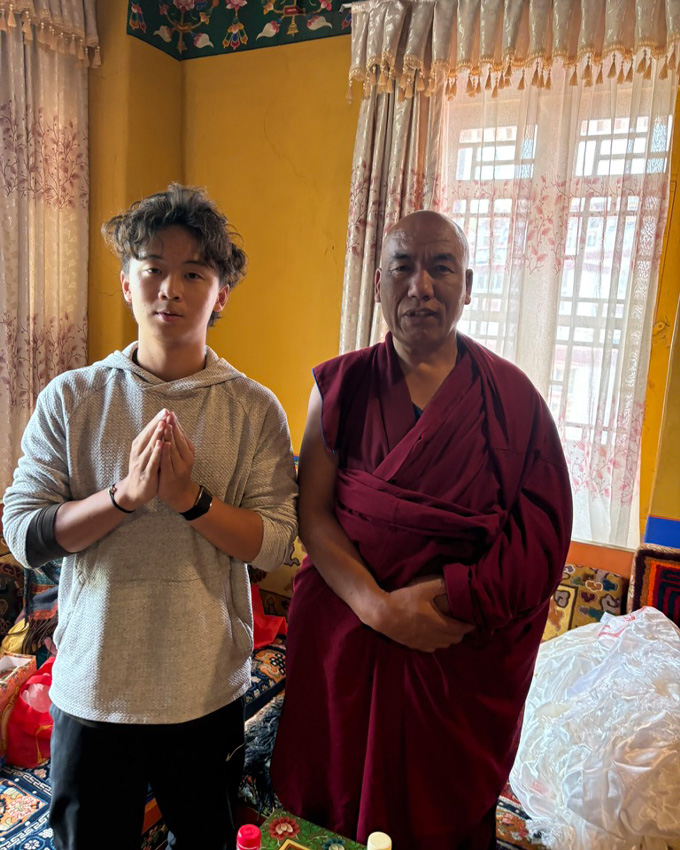
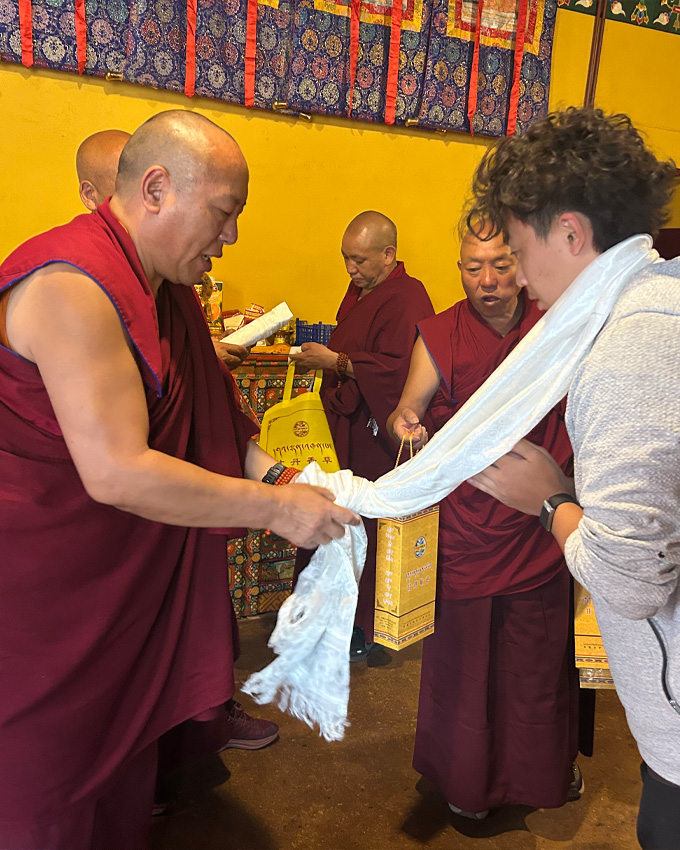
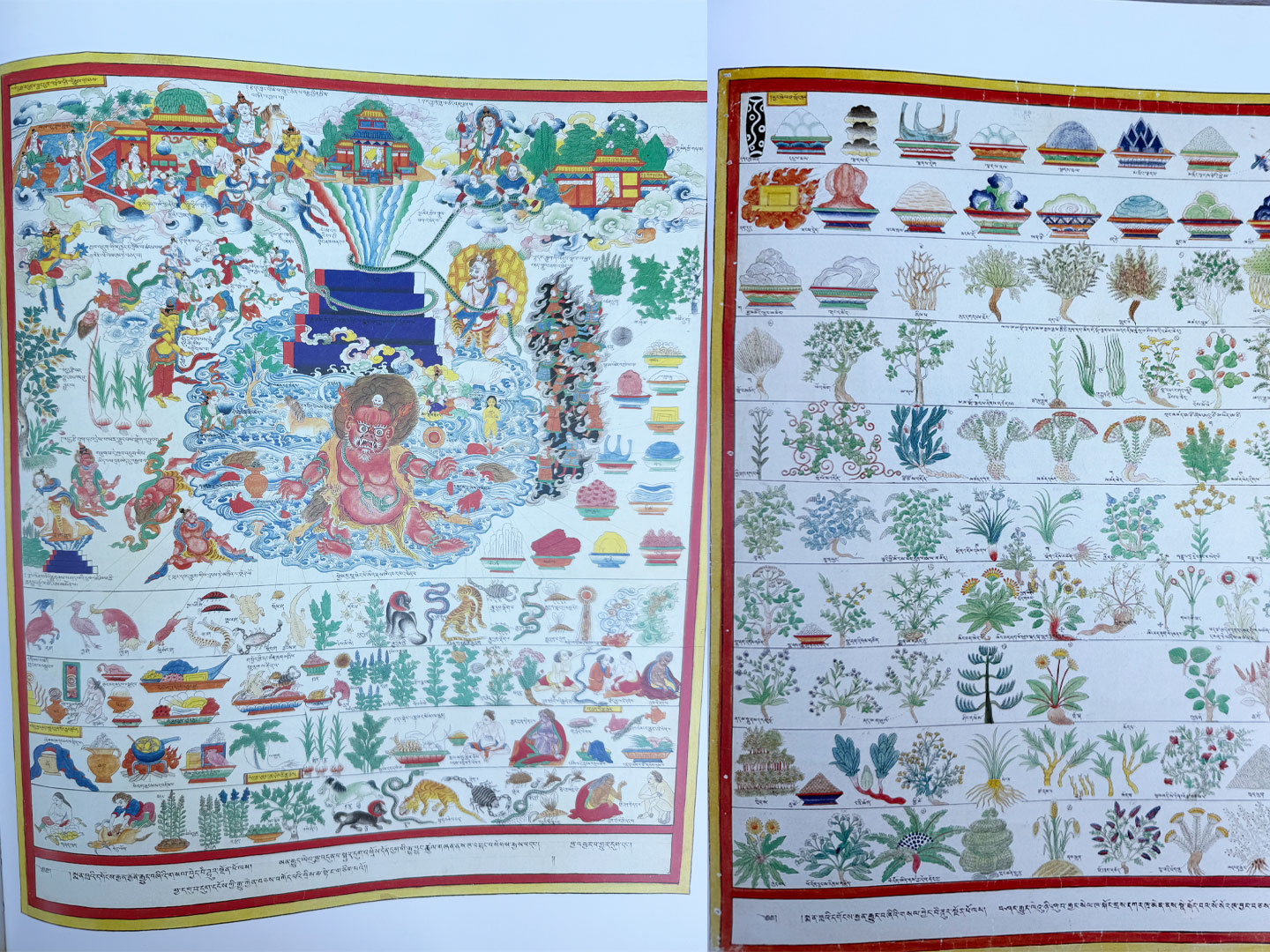
Wangzha Shifu, a lama at the Jokhang Temple, spent almost two hours teaching me to meditate, with Nyima Shifu translating from Tibetan. I asked how slowly I should breathe. He wouldn’t give me a number: “It’s only a form. Really, it’s just ordinary breathing… because it’s about focus.” That answer changed how I designed my study.
08 · LHASA, TIBET · 2026
Look for yourself
Nyima Shifu, the monk who translated for me, retold the Buddha’s advice: “Never believe authority.” He compared testing a teaching to how a smart merchant tests gold: cutting it, burning it, and rubbing it on a touchstone before buying. “First look for yourself, listen to others explain, and in the end, look for yourself.”
09 · LHASA, TIBET · 2026
Not to kill
In Aba, I had met people who gave up meat for their faith.« Nyima Shifu put it this way: “The Buddha only said not to kill. He never said not to eat meat.” Then, without my asking, he brought up cola: since the 1990s, monks have drunk it to get through hours of prayer.
OBSERVE · COMPARE · DOCUMENT
Different Views,
Same Place
A CONTINUING INQUIRY
Learning to Stay
with Uncertainty
I am learning that fieldwork does not always lead to one clear answer. Sometimes, the differences between what people say, what I observe, and what changes over time are not problems to resolve, but part of what deserves to be documented.