FIELD RESEARCH 2025
FOOD &
CULTURE
Bhutan · Nepal · Aba, Sichuan
How can we better understand health when we look beyond the lab and into the cultures, environments, and everyday lives that shape it?
THE STARTING QUESTION
Looking Beyond
the Plate
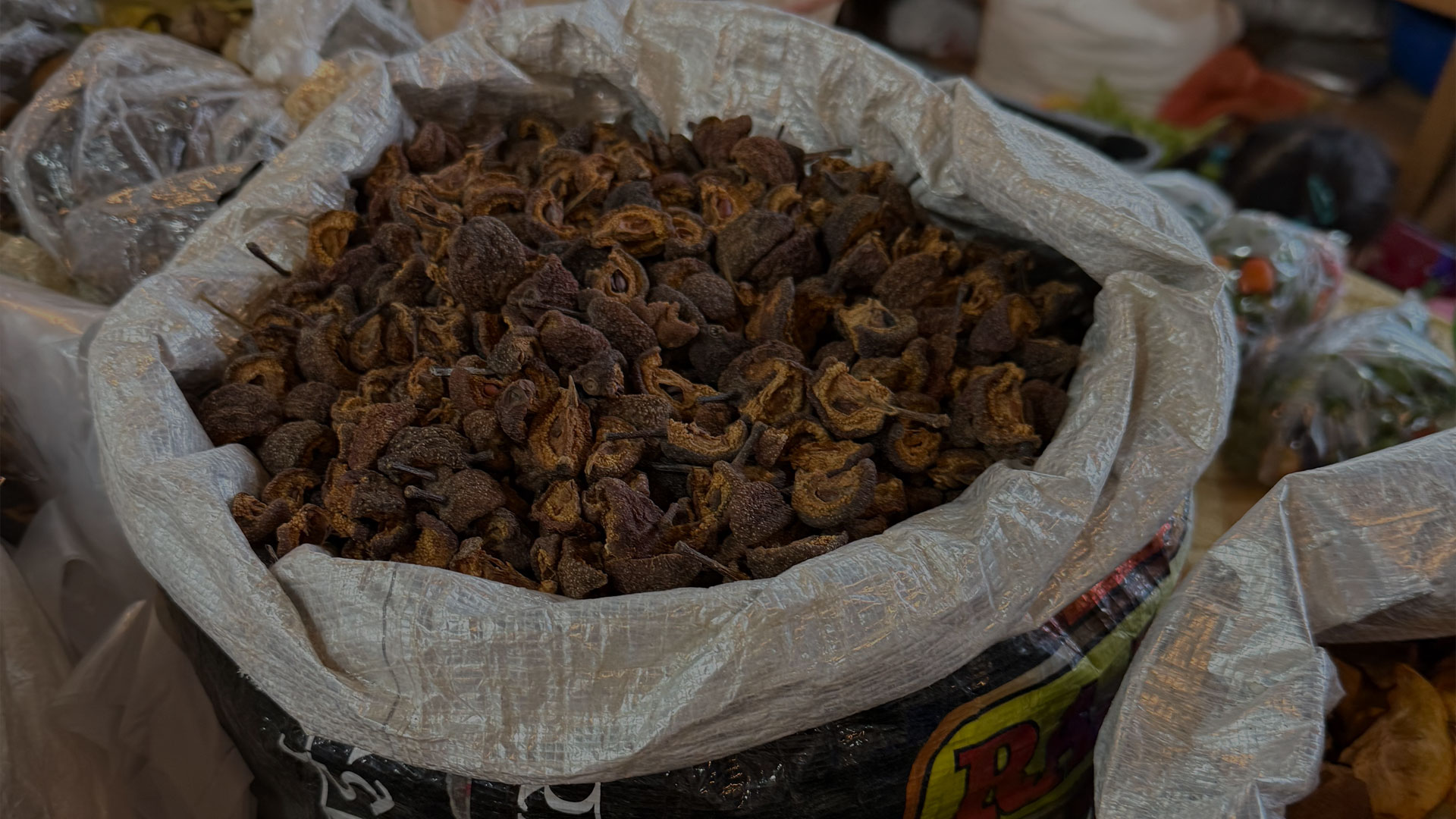
In Bhutan, a market seller told me how both health concerns and Buddhist beliefs shaped her decision to stop eating meat. In Aba, a student spoke about the contrast between her daily school meals and the food she preferred at home. These conversations reminded me that food is never only about nutrition; it is also shaped by culture, belief, and familiarity.
THE FIELDWORK
Diet & Nutrition Research
in Tibetan Buddhist Communities
SUMMER 2026
Lhasa
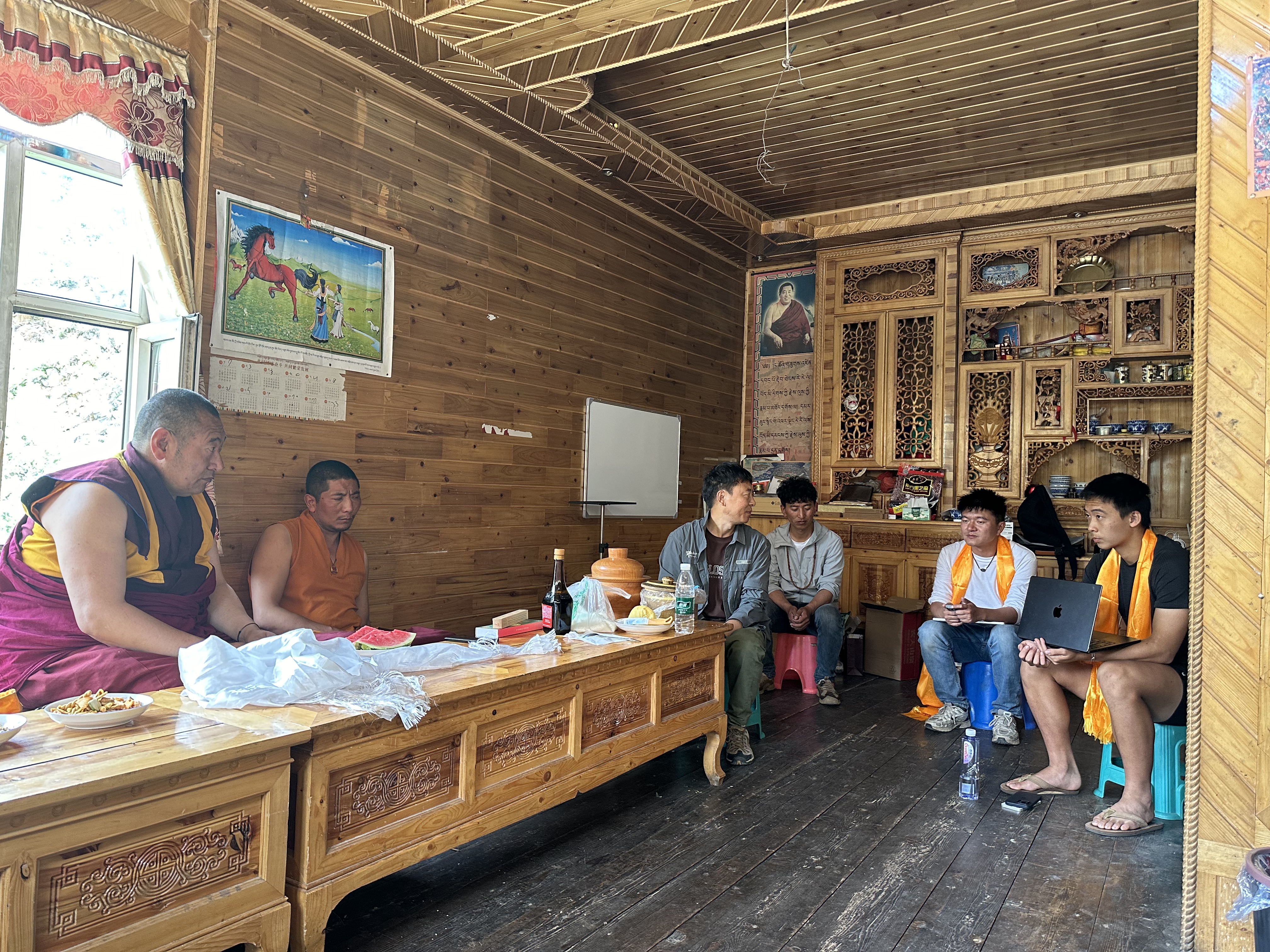
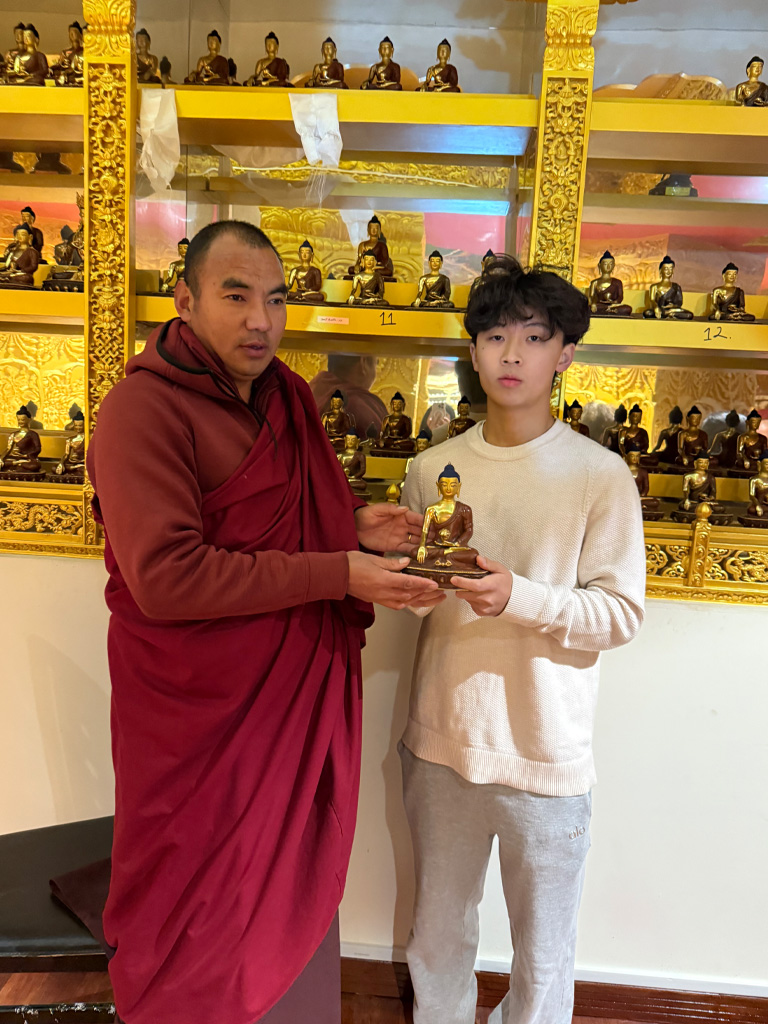
Conversations with monks about tea, food, and daily routines, exploring how religious practice shapes ideas about health.
SUMMER 2025
Aba, Sichuan
Interviews and photographic meal diaries exploring how roads, school meals, and religious observances influence what families eat.
WINTER 2025
Bhutan
Interviews with local residents and hospital staff about everyday diets, Buddhist beliefs, and access to health care.
WINTER 2025
Nepal
Community conversations about food habits and nutrition, forming part of my wider exploration of culture and health.
Hydration Beyond the Lab
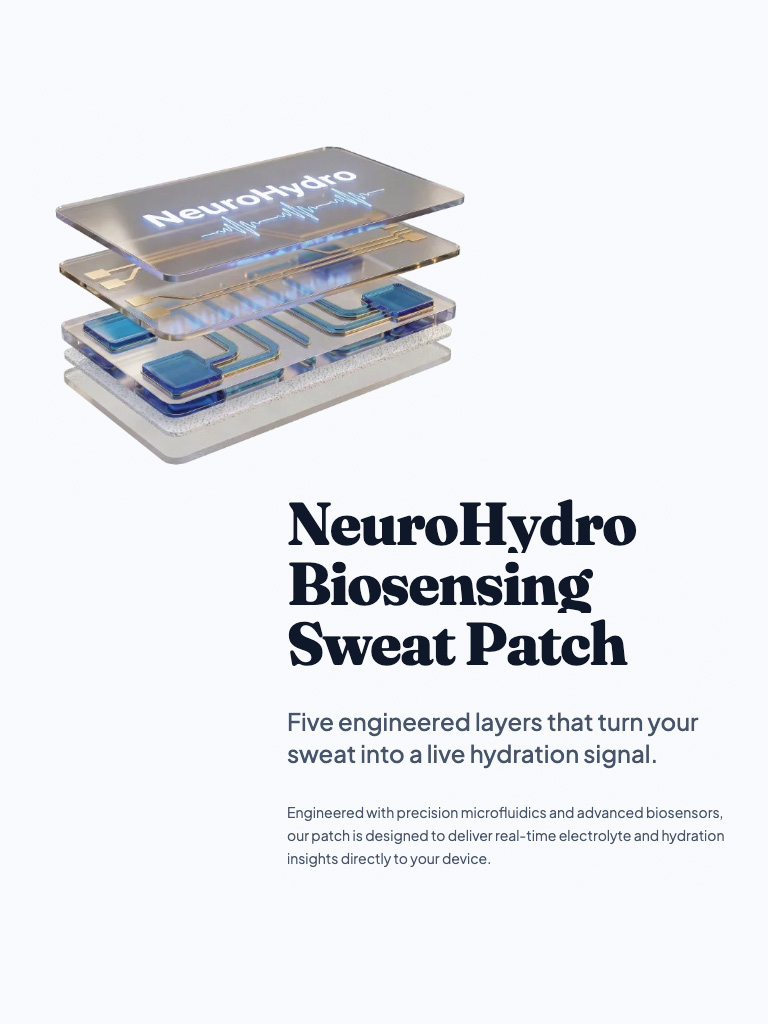
NeuroHydro Wearable
Sweat Sensor
Led the development of a wearable sweat patch that measures sodium, potassium, and pH to track hydration. Designed with athletes, outdoor workers, and older adults in mind, the project explores how health monitoring can become more accessible outside the lab.
- Observation Understand the everyday hydration-monitoring needs of athletes, outdoor workers, and older adults.
- Documentation Record sensor designs, testing conditions, and sweat sodium, potassium, and pH measurements.
- Comparison Compare readings across tests to identify patterns and assess sensor consistency.
- Research Explore how wearable sweat sensing could make hydration monitoring more accessible beyond the lab.
A CONTINUING INQUIRY
What I Began
to Understand
The fieldwork points toward an understanding of nutrition rooted in culture, belief, infrastructure and community life. Understanding health requires attention to the context in which people make everyday decisions.